
Why Texas Weather Matters More Than Most People Realize for Technology Infrastructure
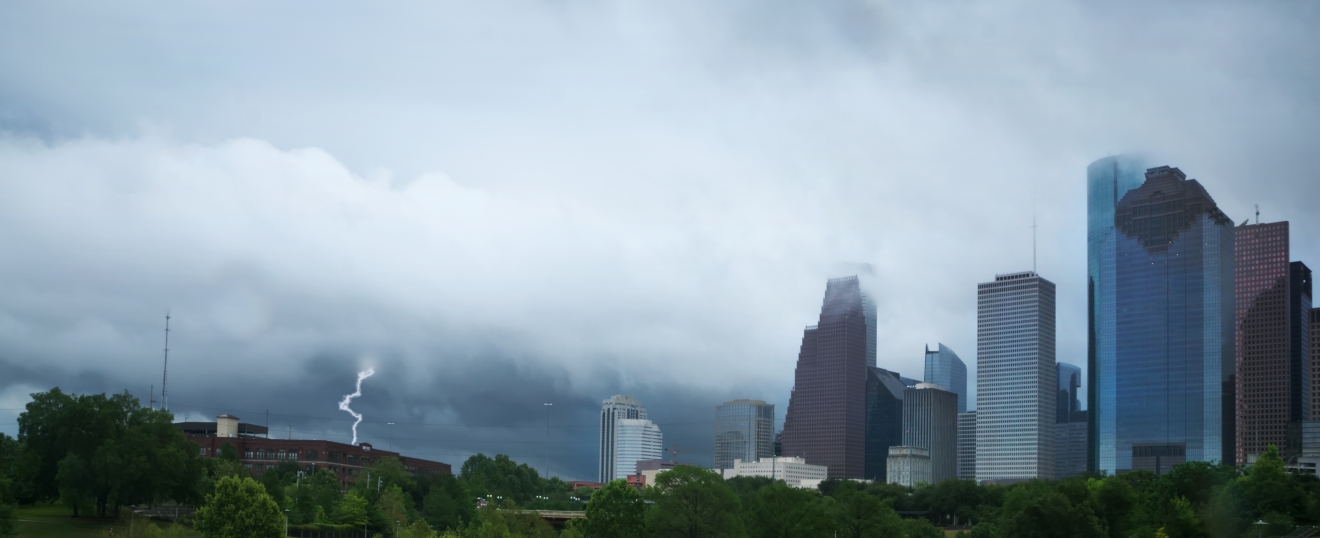
North Texas weather can be tough on people, vehicles, buildings, and technology. From extreme heat and lightning storms to power fluctuations and severe weather events, the local environment plays a significant role in the reliability and longevity of technology systems.
Anyone who has lived in North Texas for more than a few months understands that the weather can change quickly. A calm spring afternoon can become a severe thunderstorm by evening. Summer temperatures regularly climb into triple digits, and strong winds, lightning, hail, and power disruptions are simply part of life across communities like Waxahachie, Midlothian, Red Oak, Ennis, Ovilla, and the surrounding region.
What many business owners and homeowners do not realize is how significantly these conditions can impact their technology infrastructure.
Technology systems are often viewed as indoor assets, but many of the components businesses depend upon every day are directly or indirectly affected by environmental conditions. Internet connectivity, security cameras, wireless networks, access control systems, network switches, servers, and even structured cabling can all experience performance and reliability issues when weather-related factors are overlooked.
Heat is one of the most common challenges. Electronic equipment naturally generates heat during operation, and North Texas summers can create especially demanding conditions in equipment closets, attics, network cabinets, warehouses, and manufacturing environments. A networking switch that operates reliably during mild temperatures may begin experiencing performance problems if adequate cooling and airflow are not considered.
We frequently encounter technology installations where equipment has been placed in non-climate-controlled spaces simply because it was convenient during installation. While this may work initially, years of exposure to excessive heat can shorten equipment lifespan and increase the likelihood of unexpected failures.
Lightning presents another risk that is often underestimated. A lightning strike does not need to directly hit a building to create problems. Nearby strikes can introduce electrical surges capable of damaging networking equipment, security cameras, internet equipment, and other connected systems. Proper grounding, surge protection, and thoughtful infrastructure design can help reduce these risks and improve system resiliency.
Power quality is equally important. Short outages, voltage fluctuations, and electrical disturbances may cause more problems than major outages because they often occur without much notice. Businesses may experience interrupted operations, corrupted data, damaged equipment, or unexpected reboots that impact productivity.
Battery backup systems are commonly associated with servers, but they can also play an important role in supporting networking equipment, internet connectivity, security systems, and access control infrastructure. In many cases, a relatively small investment in power protection can help prevent larger disruptions later.
Outdoor technology continues to grow in popularity throughout North Texas. Security cameras, gate systems, smart devices, wireless bridges, and access control components are increasingly becoming part of both residential and commercial environments. These systems require equipment selection and installation practices designed to withstand challenging weather conditions.
A professionally designed outdoor technology system should account for temperature exposure, moisture, UV degradation, power delivery, surge protection, and long-term maintenance requirements. The goal is not simply to make equipment work on installation day, but to help ensure it continues performing reliably years into the future.
Weather considerations become especially important for properties that depend on outdoor security cameras and gate access systems. A camera that provides excellent visibility under ideal conditions may perform differently during heavy rain, fog, or severe storms. Planning for these situations helps create more dependable security coverage when it matters most.
Homeowners face many of the same concerns. As homes become increasingly connected through smart thermostats, security cameras, doorbells, streaming devices, home offices, and automation systems, reliable infrastructure becomes more important than ever. The network supporting those systems should be designed with reliability in mind rather than simply accepting the minimum equipment provided by an internet service provider.
The reality is that weather is not an occasional technology consideration in Texas. It is an everyday design consideration.
Strong technology infrastructure does not happen by accident. It is created through thoughtful planning, quality installation practices, reliable equipment, and an understanding of the environment in which those systems must operate.
At Iron Beacon Technologies, we believe technology should be designed for the real world, not ideal conditions. Whether supporting a business network in Midlothian, installing security cameras in Waxahachie, designing connectivity for a rural property near Ennis, or helping a homeowner improve their network in Red Oak, long-term reliability starts with understanding the conditions that technology will face every day.
After all, the true test of a technology system is not how it performs on a sunny afternoon. It is how it performs when North Texas weather decides to remind everyone who's in charge.
We proudly serve Waxahachie, Midlothian, Maypearl, Red Oak, Ovilla, Ennis, Ferris, Cedar Hill, Duncanville, DeSoto, Mansfield, Grand Prairie, Arlington, Oak Cliff, Bishop Arts District, Downtown Dallas, Uptown Dallas, Fort Worth, Burleson, Venus, Alvarado, Granbury, Hillsboro, Stephenville, Glen Rose, Foreston, Italy, Whitney, Hamilton, Dublin, Cleburne, Weatherford, and surrounding North Texas communities.
Similar Articles


The Iron Beacon Team