

A technology roadmap helps small businesses align technology decisions with long-term goals, reduce unexpected costs, improve security, and create a more reliable foundation for growth.
Small businesses often approach technology one purchase, upgrade, or repair at a time. A computer fails and gets replaced. The internet becomes unreliable and new networking equipment is installed. A cybersecurity concern emerges and security software is added to address the immediate issue. While these decisions may solve short-term problems, they rarely support a larger strategy for growth, efficiency, and risk reduction.
A technology roadmap helps bridge that gap. At its core, a technology roadmap is a plan that aligns business objectives with technology investments over time. Rather than asking what needs to be fixed today, a roadmap focuses on where the business is going and what technology is needed to support that vision.
Many small businesses operate with technology that has evolved organically over the years. Different systems are added by different vendors, equipment remains in service well beyond its intended lifespan, and critical infrastructure is often replaced only after it fails. The result is a collection of technology that may function adequately day to day but lacks consistency, scalability, and strategic direction.
Without a roadmap, technology spending tends to become reactive. Unexpected failures create emergency expenses. Aging hardware contributes to downtime and employee frustration. Security vulnerabilities go unnoticed until there is a problem. Business leaders find themselves making important decisions under pressure rather than through thoughtful planning.
A technology roadmap creates predictability. Business owners gain visibility into equipment lifecycles, expected upgrade timelines, cybersecurity priorities, networking improvements, and future budget requirements. Rather than facing surprise expenditures, organizations can plan for technology investments in a way that supports business objectives and financial goals.
Cybersecurity has become another important reason for strategic planning. Security is no longer a concern reserved for large enterprises. Small businesses face increasing risks from ransomware, phishing attacks, business email compromise, and data breaches. A roadmap helps organizations identify gaps in security controls, improve resilience, implement best practices, and prioritize investments that reduce risk over time.
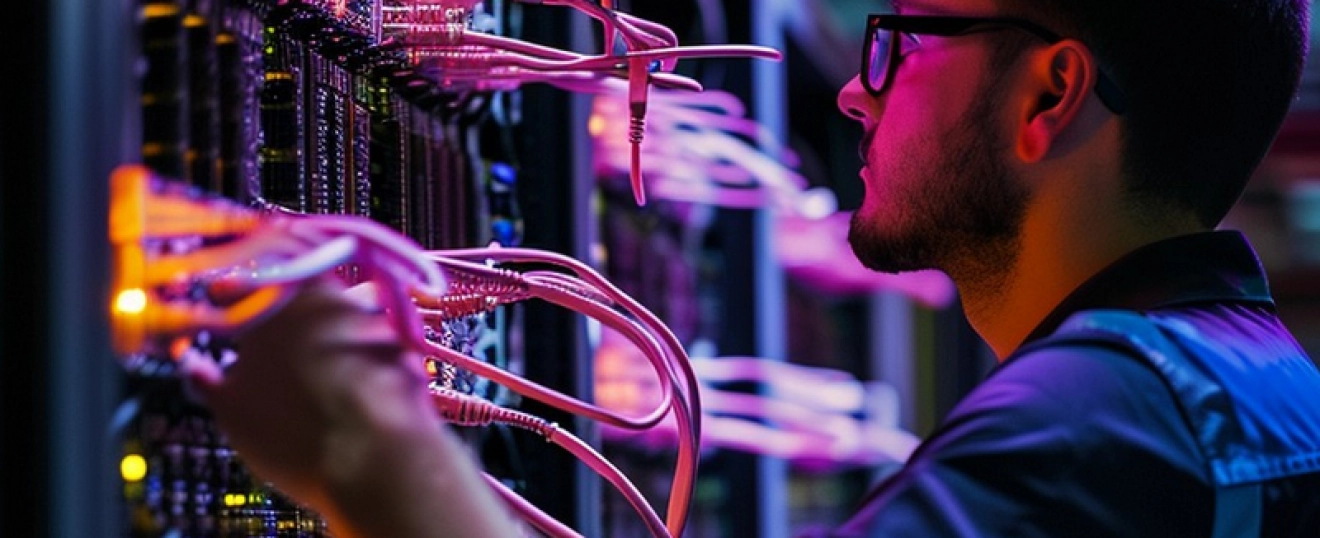
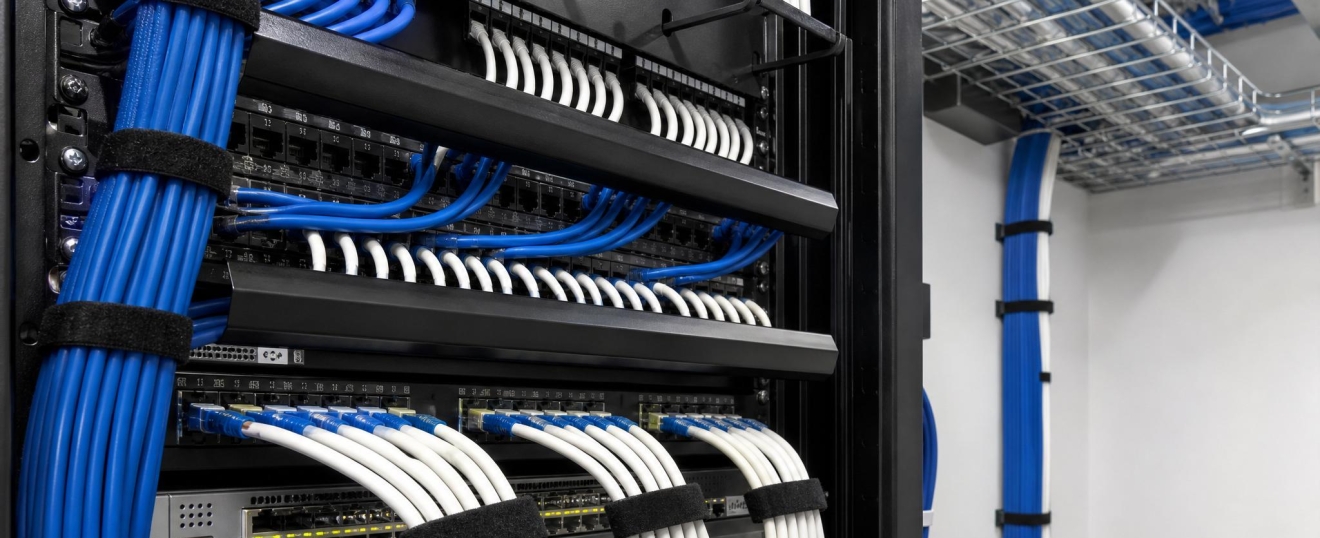
Networking infrastructure is another area where planning delivers significant value. Reliable wireless connectivity, properly designed networks, structured cabling, and scalable internet connectivity are often overlooked until performance issues begin impacting operations. A growing business may discover that the network infrastructure installed years ago was never designed to support current staffing levels, cloud applications, security cameras, access control systems, or modern communication platforms. A roadmap provides an opportunity to identify future needs before they become business obstacles.
This concept applies beyond commercial environments. Homeowners increasingly rely on technology for remote work, education, security systems, entertainment, and smart home automation. Just as businesses benefit from thoughtful planning, homeowners can avoid many common frustrations by considering future technology needs during remodels, expansions, and new construction projects. Structured wiring, wireless coverage planning, and network design are often much easier and more cost effective when addressed proactively.
A well-developed roadmap also improves decision-making. When technology investments are evaluated against long-term business goals, organizations are less likely to purchase solutions based solely on price or marketing claims. Instead, they can choose technologies that provide the best outcomes for reliability, scalability, security, and operational efficiency.
Perhaps most importantly, a technology roadmap transforms technology from a cost center into a business asset. Instead of simply maintaining systems, businesses can use technology to improve customer service, increase productivity, support growth, and create competitive advantages. Technology becomes a tool for enabling success rather than a source of recurring frustration.
At Iron Beacon Technologies, we believe technology should be guided by purpose, not urgency. Whether supporting a growing business, designing a reliable network, improving cybersecurity, or planning infrastructure for future expansion, every technology decision should support a larger vision. A roadmap provides that direction, helping organizations make smarter decisions today while preparing for tomorrow's opportunities.
We proudly serve Waxahachie, Midlothian, Maypearl, Red Oak, Ovilla, Ennis, Ferris, Cedar Hill, Duncanville, DeSoto, Mansfield, Grand Prairie, Arlington, Oak Cliff, Bishop Arts District, Downtown Dallas, Uptown Dallas, Fort Worth, Burleson, Venus, Alvarado, Granbury, Hillsboro, Stephenville, Glen Rose, Foreston, Italy, Whitney, Hamilton, Dublin, Cleburne, Weatherford, and surrounding North Texas communities.
Similar Articles

The Iron Beacon Team
The Iron Beacon Team