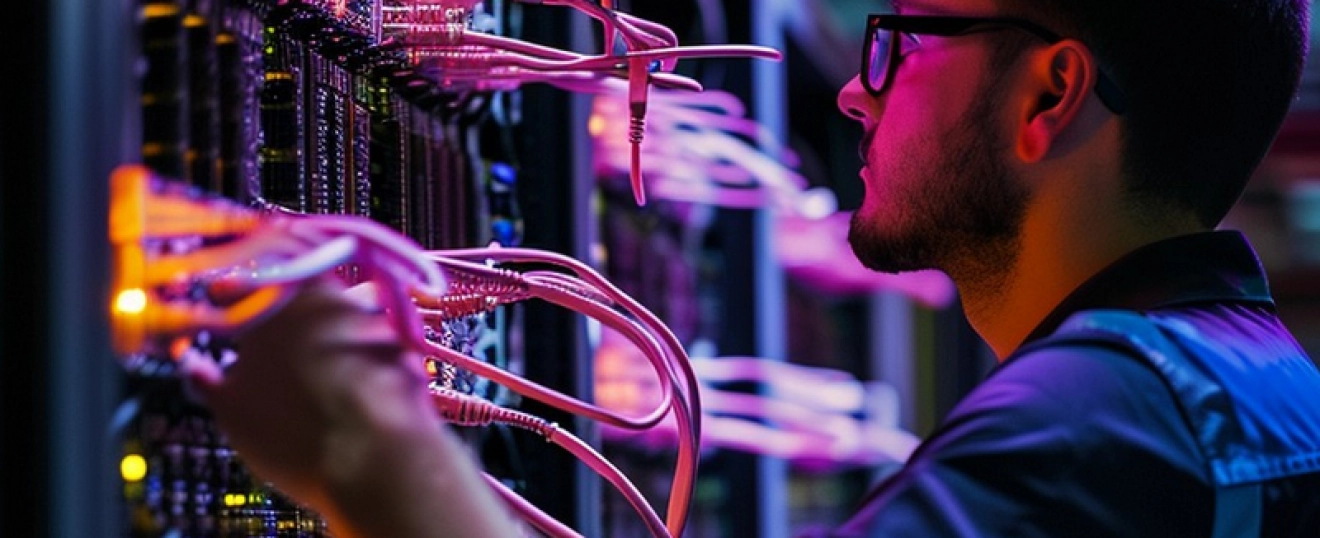

Many business owners have heard the term Managed IT Services but aren't entirely sure what it includes. At its core, Managed IT helps businesses proactively maintain, secure, and support their technology so problems are addressed before they impact operations.
Managed IT Services has become one of the most common terms in the technology industry, yet it is also one of the most misunderstood. Many business owners assume it simply means having someone available to fix computers when something stops working. While support is certainly part of the equation, modern Managed IT Services encompass much more than troubleshooting and repair.
A well-designed Managed IT program focuses on proactive management rather than reactive support. The goal is to identify potential issues before they become business disruptions. Instead of waiting for a server to fail, a workstation to crash, or a security problem to emerge, systems are monitored continuously to help detect concerns early. This approach can reduce downtime, improve reliability, and create a more predictable technology environment.
One of the core components of Managed IT Services is system monitoring. Servers, workstations, networking equipment, backups, and other critical systems are monitored for performance issues, hardware concerns, service interruptions, and unusual activity. Monitoring allows technology teams to respond quickly when problems occur and often resolve issues before employees even notice a disruption.
Cybersecurity has also become a major part of Managed IT. Threats continue to evolve, and businesses face risks ranging from phishing attacks and ransomware to credential theft and unauthorized access. Managed IT providers typically assist with security updates, endpoint protection, vulnerability management, user security practices, and other measures designed to reduce risk. Effective cybersecurity is not a one-time project but an ongoing process that requires consistent attention.
Technology maintenance is another important service area. Software updates, operating system patches, firmware upgrades, and security improvements help ensure systems remain stable and protected. Unfortunately, many organizations delay these tasks because they are busy serving customers and managing daily operations. Managed IT helps ensure maintenance does not fall through the cracks.
Backup and disaster recovery planning are often overlooked until they are needed. A comprehensive Managed IT strategy includes backup monitoring, testing, and planning for unexpected events. Whether the issue is accidental deletion, hardware failure, severe weather, ransomware, or another disruption, businesses should understand how their critical information will be protected and restored.
Networking is another important pillar of Managed IT Services. Nearly every business relies on access to cloud applications, internet resources, communications platforms, and connected devices. Reliable networking infrastructure directly impacts productivity. Managed IT often includes oversight of switches, firewalls, wireless networks, internet connectivity, and remote access solutions.
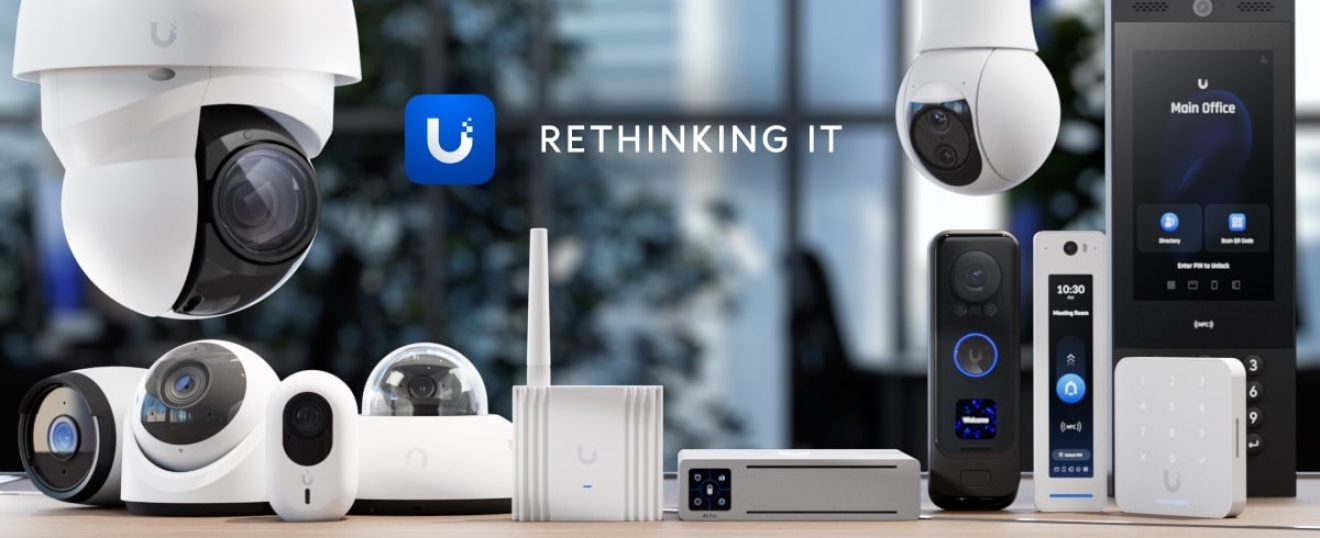
This is where professionally designed networking solutions become especially valuable. Many growing businesses eventually discover that the consumer-grade equipment they installed years ago can no longer support current demands. Business-class networking platforms such as Ubiquiti UniFi provide visibility, centralized management, scalability, and reliability that help support modern business operations. Proper network design, wireless planning, and ongoing management help ensure employees and customers have consistent access to the resources they need.
Technical support remains an important component as well. Users need assistance with software issues, password resets, hardware concerns, email problems, connectivity issues, and countless other day-to-day technology challenges. Having a trusted technology partner available to provide guidance and support helps reduce frustration and improve productivity throughout the organization.
As businesses continue to adopt cloud services, Managed IT often extends beyond the physical office. Microsoft 365, cloud storage platforms, collaboration tools, hosted applications, remote work solutions, and hybrid environments all require ongoing oversight and management. Technology has become increasingly interconnected, making strategic coordination more important than ever.
Many organizations also benefit from technology planning and consulting services that are included within a managed relationship. Rather than making decisions one emergency at a time, business owners gain access to guidance regarding budgeting, infrastructure improvements, cybersecurity initiatives, equipment lifecycle planning, and future growth considerations. This strategic perspective often delivers value far beyond traditional technical support.
The concept of proactive management exists in residential environments as well. Homeowners increasingly depend on reliable networks for remote work, streaming, gaming, security cameras, smart home technology, and connected devices. While residential support may not always be delivered through a traditional managed services agreement, the same principles apply. Proper planning, regular maintenance, and thoughtful design create a more reliable experience than constantly reacting to problems.
The best Managed IT relationships are not built around fixing technology. They are built around helping people achieve their goals through reliable, secure, and well-managed technology. When done properly, technology becomes an asset that supports productivity, growth, customer service, and business continuity.
At Iron Beacon Technologies, we believe Managed IT is about much more than monitoring devices and responding to support tickets. It is about serving as a trusted technology guide, helping organizations make informed decisions, reduce risk, improve reliability, and build a technology foundation that supports long-term success.
We proudly serve Waxahachie, Midlothian, Maypearl, Red Oak, Ovilla, Ennis, Ferris, Cedar Hill, Duncanville, DeSoto, Mansfield, Grand Prairie, Arlington, Oak Cliff, Bishop Arts District, Downtown Dallas, Uptown Dallas, Fort Worth, Burleson, Venus, Alvarado, Granbury, Hillsboro, Stephenville, Glen Rose, Foreston, Italy, Whitney, Hamilton, Dublin, Cleburne, Weatherford, and surrounding North Texas communities.
Similar Articles

The Iron Beacon Team