
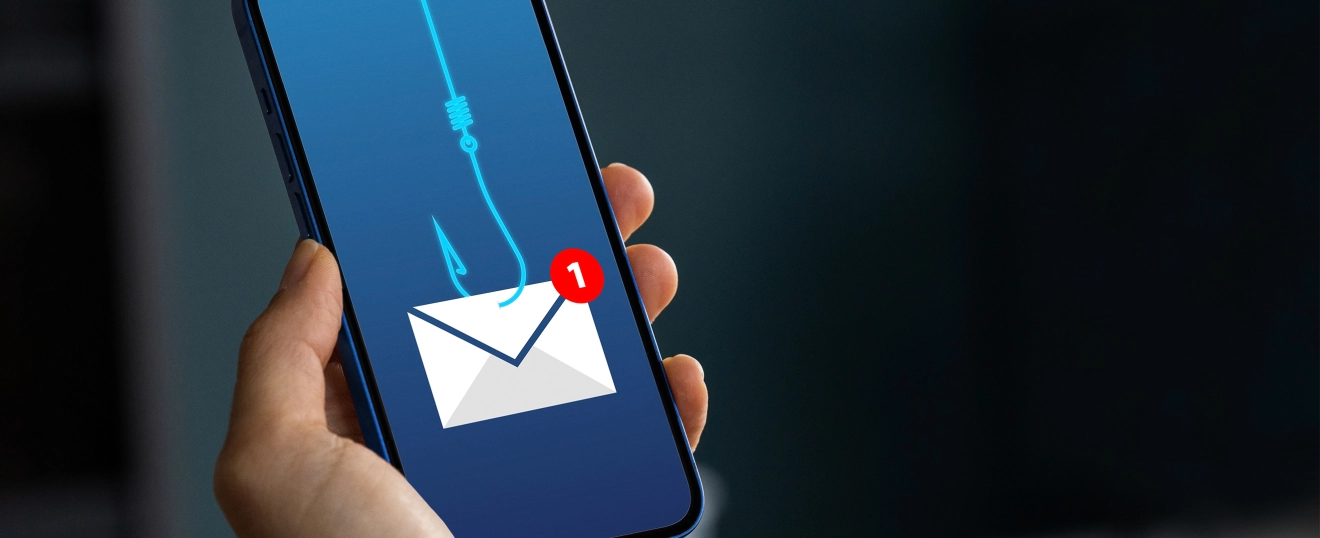
Many people assume cyber threats arrive with obvious warning signs such as poor grammar, suspicious links, or strange requests. In reality, some of the most successful attacks are delivered through messages that appear completely routine. Understanding why these emails are so effective can help businesses and individuals make better decisions in a world where trust and communication increasingly happen online.
For many years, cybersecurity awareness training focused on helping people identify suspicious emails.
Look for poor grammar. Be skeptical of unexpected attachments. Watch for strange links. Avoid messages that seem too good to be true.
While those warning signs still exist, modern phishing attacks have evolved considerably. In many cases, the emails creating the greatest problems for businesses today don't appear suspicious at all.
In fact, they often look completely normal.
That reality catches many organizations off guard. We expect cyber threats to stand out. We assume malicious emails will contain obvious red flags or technical clues that immediately reveal something is wrong. The truth is that some of the most successful attacks blend seamlessly into the normal flow of business communications.
The Emails We Question Aren't Usually the Problem
Most people have become reasonably good at spotting obviously suspicious emails.
The strange message from an unknown sender. The email claiming you've won a prize you never entered to win. The poorly written message filled with spelling errors and awkward phrasing. Those emails still exist, but they aren't always the messages attackers rely on anymore.
Today's attackers understand that trust already exists inside organizations.
Employees communicate with vendors, customers, software providers, banks, shipping companies, and coworkers every day. Rather than creating something unusual, many attackers focus on creating something familiar.
A shipment notification.
An invoice.
A shared document.
A password expiration notice.
A Microsoft 365 alert.
The message feels routine because it is based on activities people encounter every day. The goal is not to create alarm. The goal is to blend in.
Familiarity Creates Confidence
One of the reasons these attacks are successful is because familiarity naturally lowers our guard.
When we see something we've encountered hundreds of times before, we tend to process it differently. We spend less time evaluating it because our brains have already categorized it as routine.
That's not poor judgment. It's simply how people work.
Imagine an accounting employee who receives invoices throughout the week. Receiving another invoice doesn't seem unusual. A project manager receiving a shared document from a client isn't unusual. An employee receiving a Microsoft notification doesn't seem unusual.
The more familiar a message appears, the less attention it often receives.
Attackers understand this remarkably well.
They know they don't need to create a perfect email. They simply need to create one that feels believable long enough for someone to take the next step.
When Normal Business Becomes a Security Risk
Many of the most damaging email-based attacks today don't rely on malware or sophisticated hacking techniques.
Instead, they rely on trust.
Consider a message requesting updated banking information for a vendor. The sender appears legitimate. The request sounds reasonable. The timing aligns with an active project. Everything seems normal until a payment is sent to the wrong account.
Or consider the business owner who receives what appears to be a legitimate Microsoft 365 notification indicating that email access will be suspended unless they verify their account. The message looks professional, uses recognizable branding, and mirrors communications they've received before.
The issue isn't a lack of intelligence.
The issue is that legitimate communications and malicious communications increasingly look alike.
That creates a challenge for both people and technology.
Cybercriminals Understand Human Behavior
One of the biggest misconceptions about cybersecurity is that attackers spend most of their time targeting computers.
Many successful attackers spend just as much time studying people.
They understand urgency. They understand trust. They understand routine. They understand that most people are balancing dozens of responsibilities throughout the day and cannot analyze every email as if it were a criminal investigation.
A business owner responding to emails between meetings is not operating in ideal conditions. Neither is an office manager handling invoices at the end of the month or an employee working through a crowded inbox on a busy Monday morning.
The reality is that people make decisions in the middle of real life.
Modern phishing campaigns are designed around that fact.
The Value of Slowing Down
The good news is that some of the most effective defenses remain surprisingly simple.
Pause.
Verify.
Ask questions.
When a message requests credentials, financial information, payment changes, sensitive data, or urgent action, taking a moment to verify the request can make an enormous difference.
A phone call to a vendor.
A separate email to a known contact.
A quick conversation with a coworker.
A second look at the sender's address.
Often, a few moments of verification are all that's needed to uncover something that initially appeared legitimate.
Looking Beyond the Inbox
At Iron Beacon Technologies, we believe cybersecurity is ultimately about helping people make informed decisions.
Technology plays an important role, and modern security tools stop an incredible number of threats every day. But some of the most successful attacks still rely on something much simpler than technology.
They rely on trust.
The most dangerous email is rarely the one that looks suspicious.
It's the one that looks completely normal.
As attackers continue refining their tactics, organizations must continue improving awareness and encouraging thoughtful decision-making. A healthy sense of skepticism, combined with strong security practices and effective technology, remains one of the best defenses available.
Sometimes the safest response isn't clicking a link or opening an attachment.
Sometimes it's simply taking a moment to ask:
"Does this actually make sense?"
We proudly serve Waxahachie, Midlothian, Maypearl, Red Oak, Ovilla, Ennis, Ferris, Cedar Hill, Duncanville, DeSoto, Mansfield, Grand Prairie, Arlington, Oak Cliff, Bishop Arts District, Downtown Dallas, Uptown Dallas, Fort Worth, Burleson, Venus, Alvarado, Granbury, Hillsboro, Stephenville, Glen Rose, Foreston, Italy, Whitney, Hamilton, Dublin, Cleburne, Weatherford, and surrounding North Texas communities.
Similar Articles


The Iron Beacon Team